Loading blog posts...
May 11, 2026 • 3 min read
Airbnb (ABNB) continues to solidify its dominance in the alternative accommodation market. To see how the travel behemoth is holding up amid shifting macroeconomic winds, we're unpacking the numbers from their latest 10-Q filing to see what we can learn about their first quarter of 2026. Spoiler alert: Travel demand is booming, but a heavier tax bill and aggressive marketing are keeping a lid on bottom-line explosions.
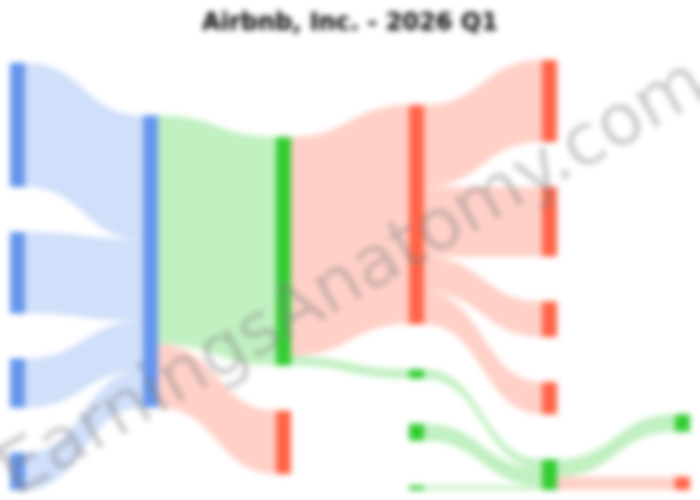
At the core of Airbnb's business, demand for unique stays and experiences shows no signs of slowing down. For Q1 2026, Gross Booking Value (GBV)—the total dollar value of bookings on the platform including host earnings, service fees, and taxes—jumped an impressive 19% year-over-year to $29.2 billion.
This was driven by 156 million Nights and Seats Booked, a 9% increase compared to the same period last year. With more people traveling and slightly higher average daily rates, Airbnb’s top-line Revenue surged 18% to reach $2.68 billion. For a company of this scale, posting high-teens revenue growth is a testament to the stickiness of its marketplace model.
While top-line growth was stellar, the bottom line tells a slightly more complicated story. Operating income more than doubled, soaring 126% from $38 million to $86 million. Yet, Net Income only edged up 4% to $160 million.
What caused this disconnect? Two main factors:
Despite these bottom-line pressures, Airbnb's core operating profitability improved. Adjusted EBITDA (Earnings Before Interest, Taxes, Depreciation, and Amortization—a metric that strips out one-time and non-cash items) rose 24% to $519 million, expanding its margin to 19%.
Airbnb’s financial engine truly shines in its cash generation. The company reported a massive $1.7 billion in Free Cash Flow (FCF)—the cash left over after paying for operating expenses and capital expenditures—for the quarter. While the FCF margin dropped from 78% last year to 64% this year, a 64% cash conversion rate remains incredibly strong and reflects the structural advantage of their "pay-in-advance" booking model.
Management didn't just sit on this cash. They put it to work by repurchasing roughly $1.1 billion worth of stock (over 8 million shares) in Q1. Additionally, the company took advantage of its liquidity to refine its capital structure, issuing $2.5 billion in new senior notes and repaying $2.0 billion of older convertible notes.
In a market crowded with traditional hotel chains and online travel competitors like Booking Holdings and Expedia, Airbnb is proving that its platform is more than just a passing trend. While geopolitical conflicts and shifting macroeconomics remain persistent risks, the company's 18% revenue growth and raised full-year guidance show immense confidence in the road ahead. They are spending money to make money—leaning into international markets and AI initiatives—and backing it up with aggressive share buybacks. If they can manage their marketing efficiency and navigate an evolving tax landscape, the long-term outlook for Airbnb remains a five-star review.
Last updated: May 11, 2026
Explore prior quarterly filings, historical revenue breakdowns, and earnings trends.